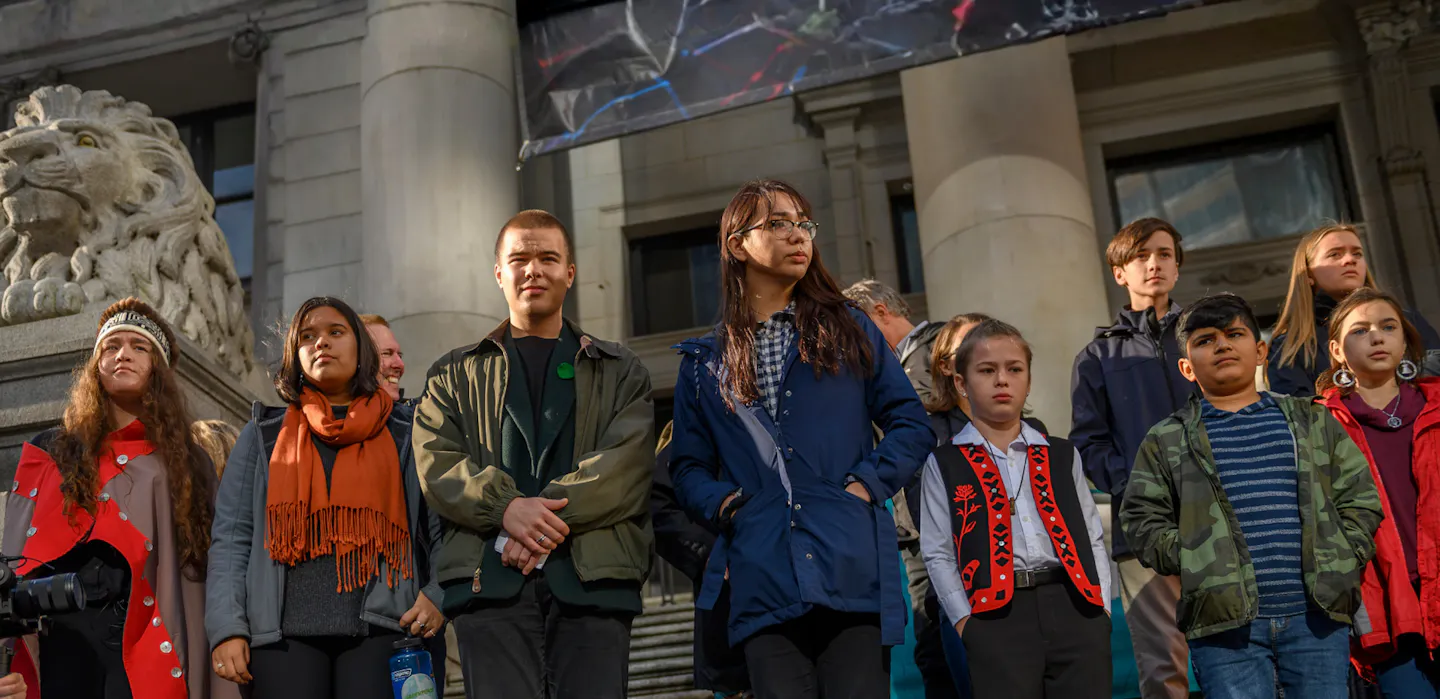
Fifteen young Canadians are taking their climate rights to court

In October 2019, fifteen young Canadians filed a lawsuit against their federal government over climate change.The youngest was just ten years old.
The plaintiffs in La Rose v. His Majesty the King argue that Canada’s actions contributing to greenhouse gas emissions threaten their rights to life, liberty, and security of the person under Section 7 of the Canadian Charter of Rights and Freedoms.
Seven years later, their case is heading to trial.
Set to begin October 26, 2026, in Vancouver, the proceedings mark the first time a youth-led federal climate lawsuit in Canada will reach a full trial. After years of legal challenges, appeals, and amended claims, young people from across the country will have the opportunity to explain how climate change is affecting their health, cultures, communities, and futures.
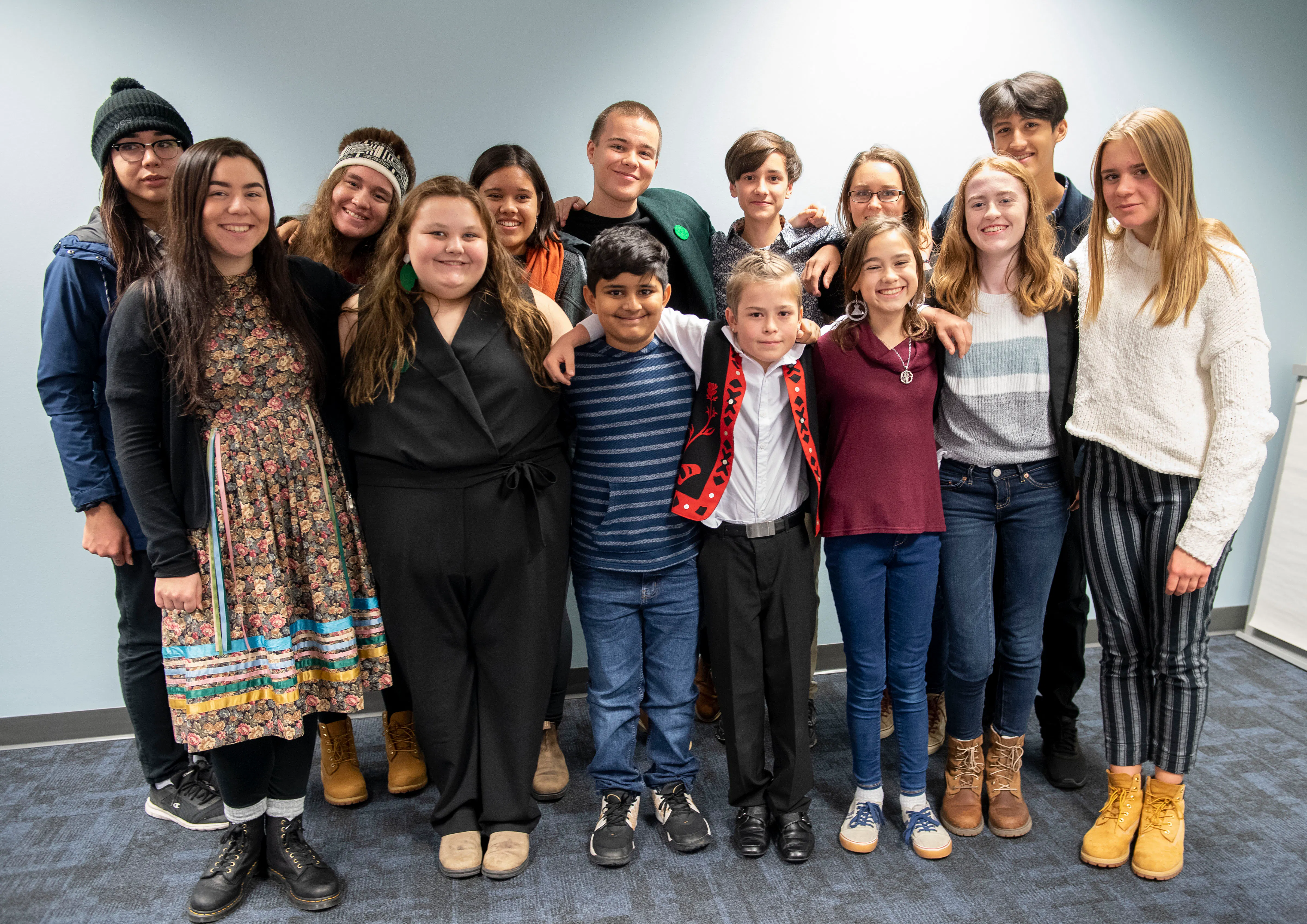
The fifteen young plaintiffs who filed La Rose v. His Majesty the King in 2019, challenging the Canadian government’s response to climate change. Image Credit: Our Children’s Trust.
Growing up in a changing climate
The plaintiffs came to the lawsuit with different experiences, but climate change had already become personal for many of them.
Cecilia L. grew up in Toronto with allergy-induced asthma. Extreme temperatures, longer pollen seasons, and wildfire smoke have made her episodes more severe, and she has worked to make outdoor spaces more accessible to urban youth.
Zoe G-W. has experienced the effects of wildfire smoke in Vancouver, where poor air quality has kept her indoors for days at a time. Shoreline erosion also threatens her family’s cabin in Hopkins Landing.
For Sophia S., who is Mi’kmaq from Metepenagiag First Nation, climate impacts are closely tied to culture. Warming waters and declining salmon populations have shortened the fishing season, limiting her ability to learn traditions from her family. Heat, drought, and wildfire have also disrupted ceremonies, including sweat lodges and jingle dress dancing.
Kira Y., who was 18 when the lawsuit began, is from Yellowknife. When wildfires forced more than 20,000 residents to evacuate, her family drove away with flames burning on both sides of the highway. They were displaced for more than a month.
Leandrea R., a member of the Taku River Tlingit First Nation, has seen drought, wildfire, and flooding disrupt gathering, harvesting, fishing, and land-based learning in Yukon. She has also helped sandbag the Marsh Lake community during flooding, particularly to protect elders facing evacuation.
Together, these experiences show how climate change is already shaping the daily lives of young people across Canada, from public health and outdoor access to cultural traditions and community safety.
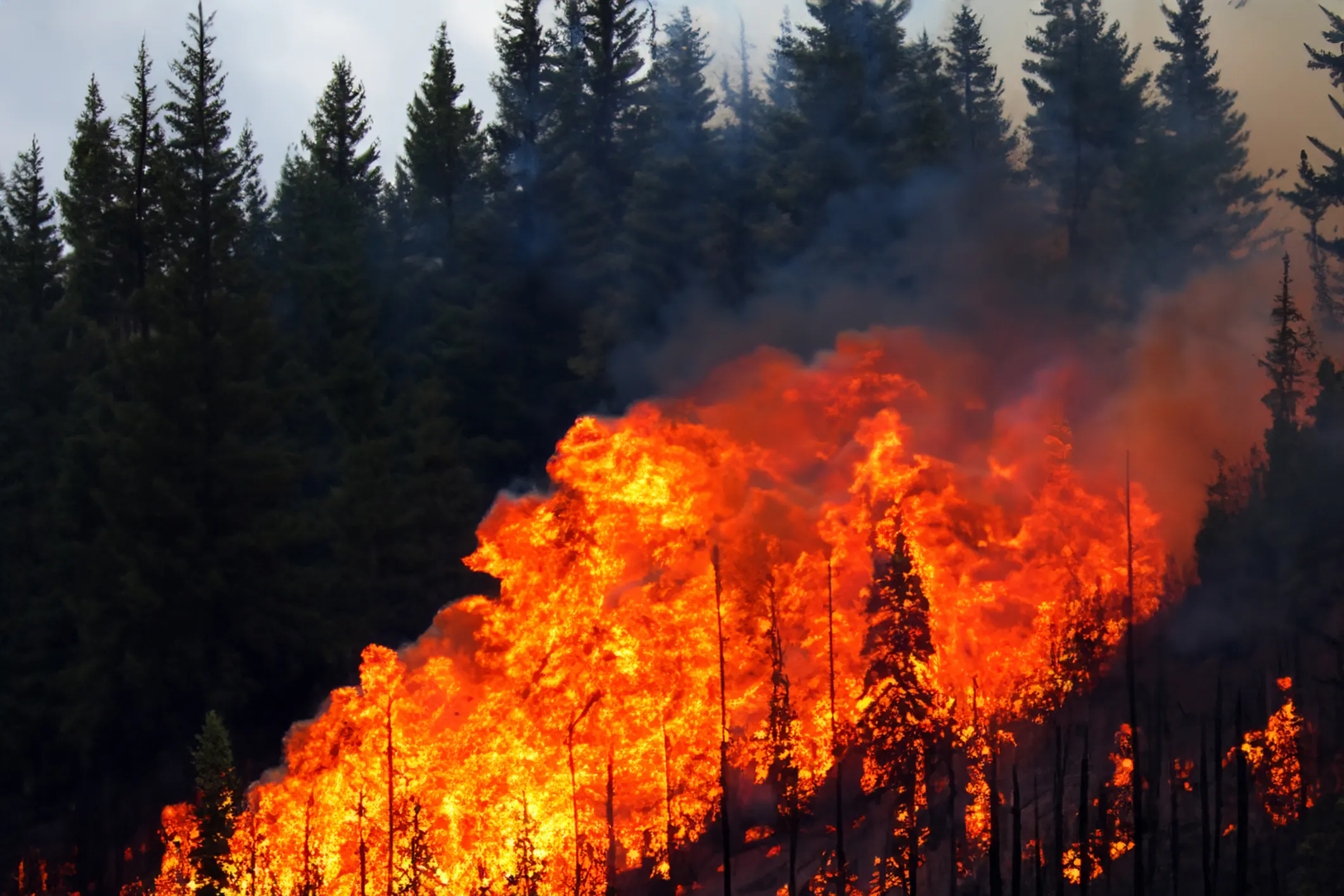
Wildfires across Canada are becoming more severe as climate change creates hotter, drier conditions, threatening communities, worsening air quality, and disrupting the lives of young people. Image credit: © Fernando Astasio, Dreamstime.
From lived experience to legal action
The personal stories of these young Canadians are central to a legal challenge that asks whether the federal government has violated their constitutional rights through its conduct contributing to climate change.
The plaintiffs are asking the Federal Court of Canada to declare that federal conduct violates their Charter rights and to require the government to prepare and implement a Climate Recovery Plan. The proposed plan would reduce greenhouse gas emissions and decarbonize the energy system in line with climate science. Their amended claim also challenges Canada’s Net-Zero Emissions Accountability Act and its 2030 plan.
The case was initially struck at the government’s request, but the youth appealed. Three justices of the Federal Court of Appeal unanimously ruled that they could amend their Section 7 claim and continue toward trial.
During the proceedings, the court will hear both scientific evidence and personal accounts. In June 2026, the Federal Court allowed the plaintiffs to call eight expert witnesses instead of five, covering climate science, children’s health, Indigenous knowledge, and clean energy economics, alongside testimony from the plaintiffs themselves.
Justice Fothergill described the litigation as “a matter of considerable public importance” and acknowledged that “the impact of this case may be profound” if the youth prevail.
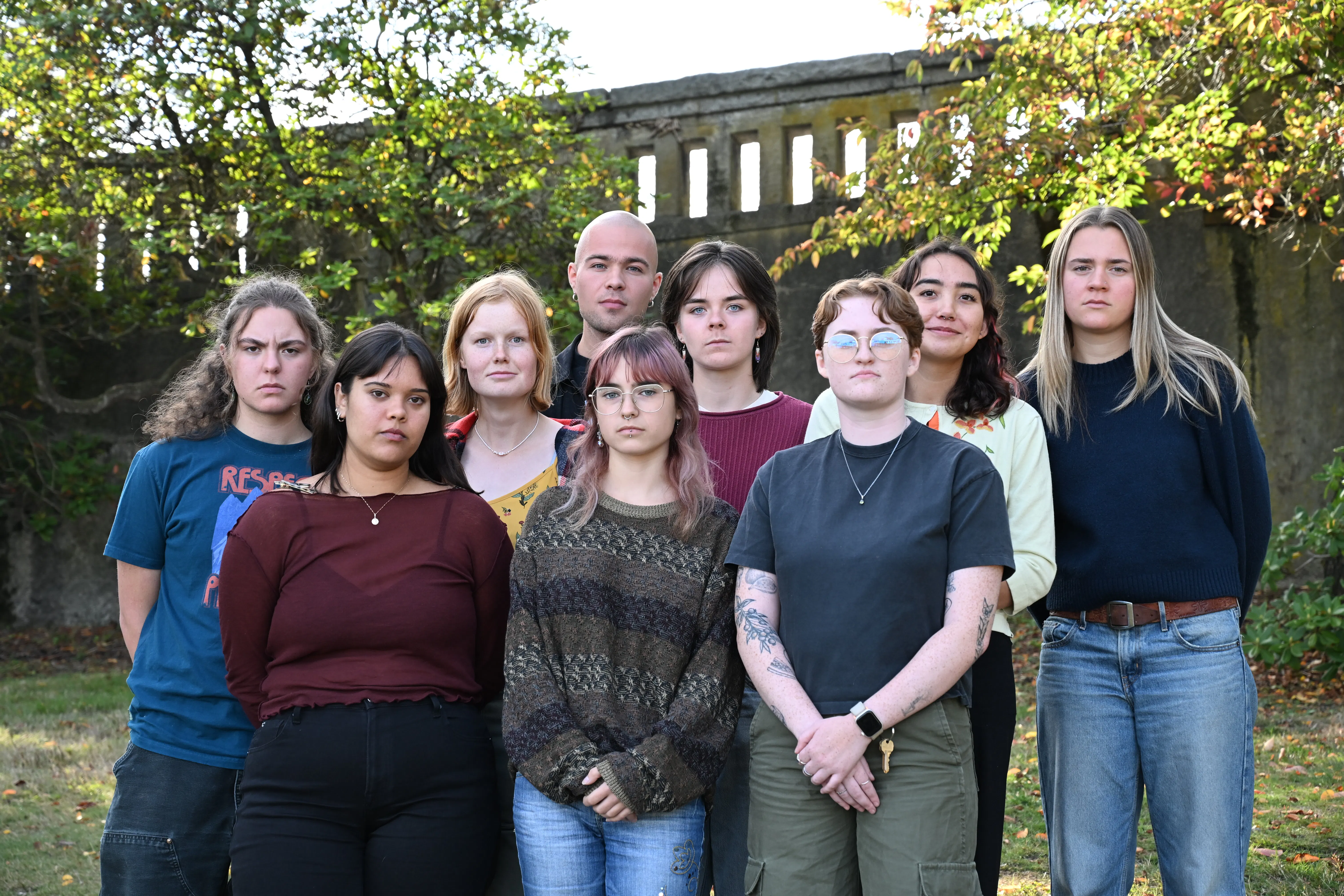
The young plaintiffs of La Rose v. His Majesty the King reunite in 2026 as they prepare to bring their landmark climate lawsuit to trial. Image Credit: Eillin Delapaz, Our Children’s Trust.
A generation making its case
When the proceedings begin in Vancouver, the plaintiffs will be supported by attorneys from Arvay Finlay LLP and Webster Hudson & Coombe LLP, as well as Our Children’s Trust and West Coast Environmental Law. The David Suzuki Foundation provided early support for the case.
For seven years, these young Canadians have worked to bring their concerns before the courts, asking how their constitutional rights should be protected as the climate changes.
Their persistence reflects an important principle behind One Earth’s Youth Leadership Intersectional Theme. Young people bring knowledge, experience, and perspectives that are essential to climate solutions, particularly when decisions being made today will shape the conditions they live with for decades.
Whatever the court ultimately decides, these young Canadians have already demonstrated that young voices belong in decisions about the future of the planet.
Explore similar content

Subscribe to receive monthly updates on climate solutions, environmental heroes, and the profound beauty and wonder of our shared planet Earth.
.jpg?auto=compress%2Cformat&h=600&w=600)