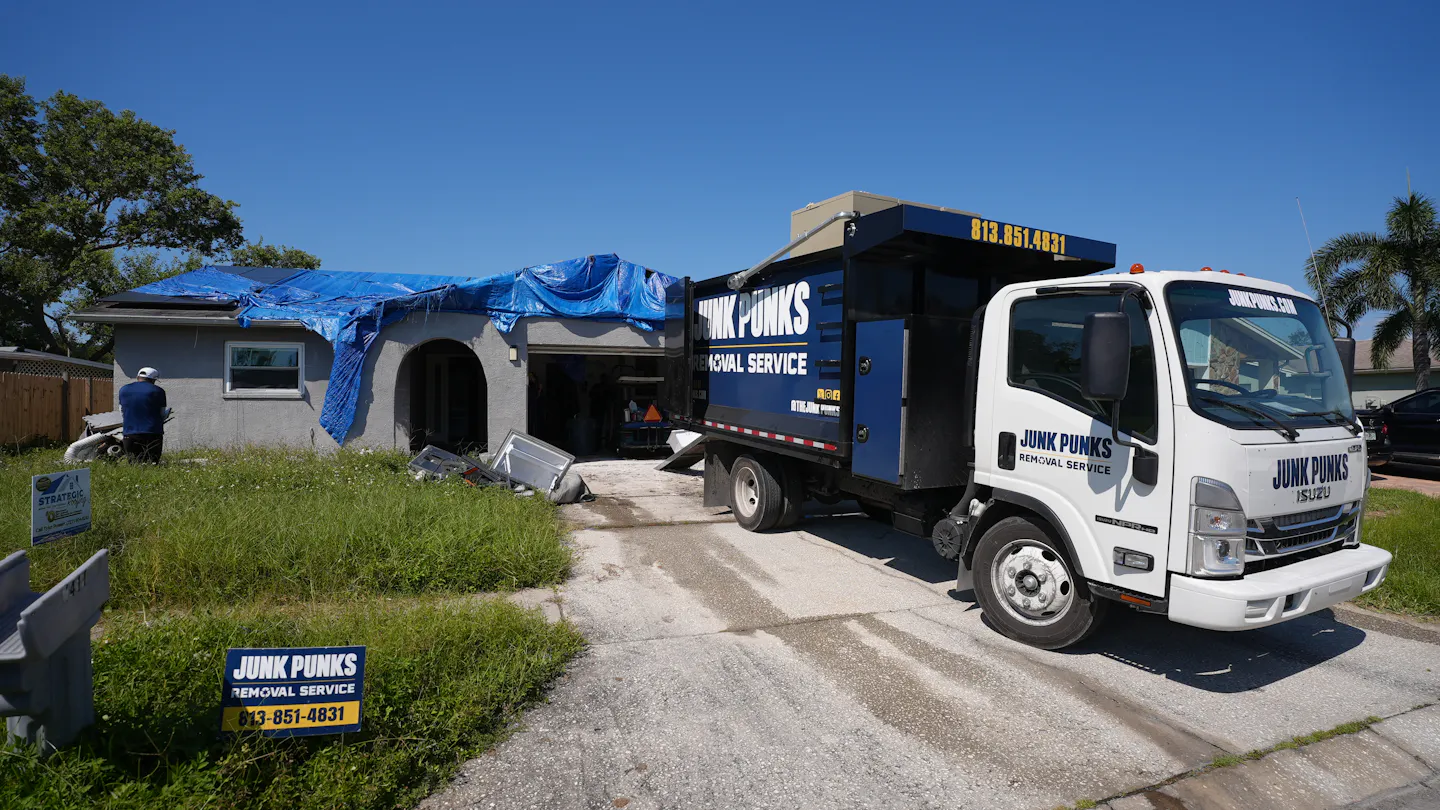
What happens after the haul? Rethinking junk removal in a circular economy

Most people call a junk-removal company at a moment of transition. A family is moving. A landlord is turning over a property. A homeowner is clearing a garage, helping a parent downsize, or finally dealing with the furniture that has been waiting in the spare room.
For most people, a truck arrives and unwanted items disappear. But the most important part of the work begins after those items leave the curb.
Every haul contains decisions. Is an item still useful? Can it be donated? Is the material accepted for recycling nearby? Does it require special handling? What truly has no practical destination other than disposal?
Those questions matter because “junk” is not one material. A single pickup can include wood, metal, cardboard, electronics, textiles, appliances, and upholstered furniture, each with a different potential destination.
What happens to these materials matters far beyond a single household. Every item represents resources that went into its production, from raw materials and water to energy and transportation. When usable goods are discarded, much of that value is lost.
Responsible junk removal means looking beyond what needs to be taken away and considering what can remain in circulation.
Not everything belongs in a landfill
The US Environmental Protection Agency’s non-hazardous materials and waste-management hierarchy places source reduction and reuse above recycling, energy recovery, and disposal. That ordering is useful because it shifts the question from “Can this be thrown away?” to “Can this item keep serving a purpose?”
For a junk-removal crew, reuse may mean identifying furniture or household goods that are still functional and directing them toward a donation or reuse outlet when that outlet can accept them. Recycling comes next for materials that cannot be reused but can be processed through available local programs.
Of course, not everything can be saved. Damaged, contaminated, or unsafe items may have no practical alternative to disposal. The goal is not to keep every object out of a landfill, but to make thoughtful decisions about what can be recovered.
The scale of the challenge is significant. According to the EPA’s latest national materials data, Americans generated approximately 11 million metric tons (12.1 million US tons) of furniture and furnishings in 2018, with 80.1% ending up in landfills. These figures highlight the importance of extending the life of usable household goods and finding alternatives to disposal whenever possible.
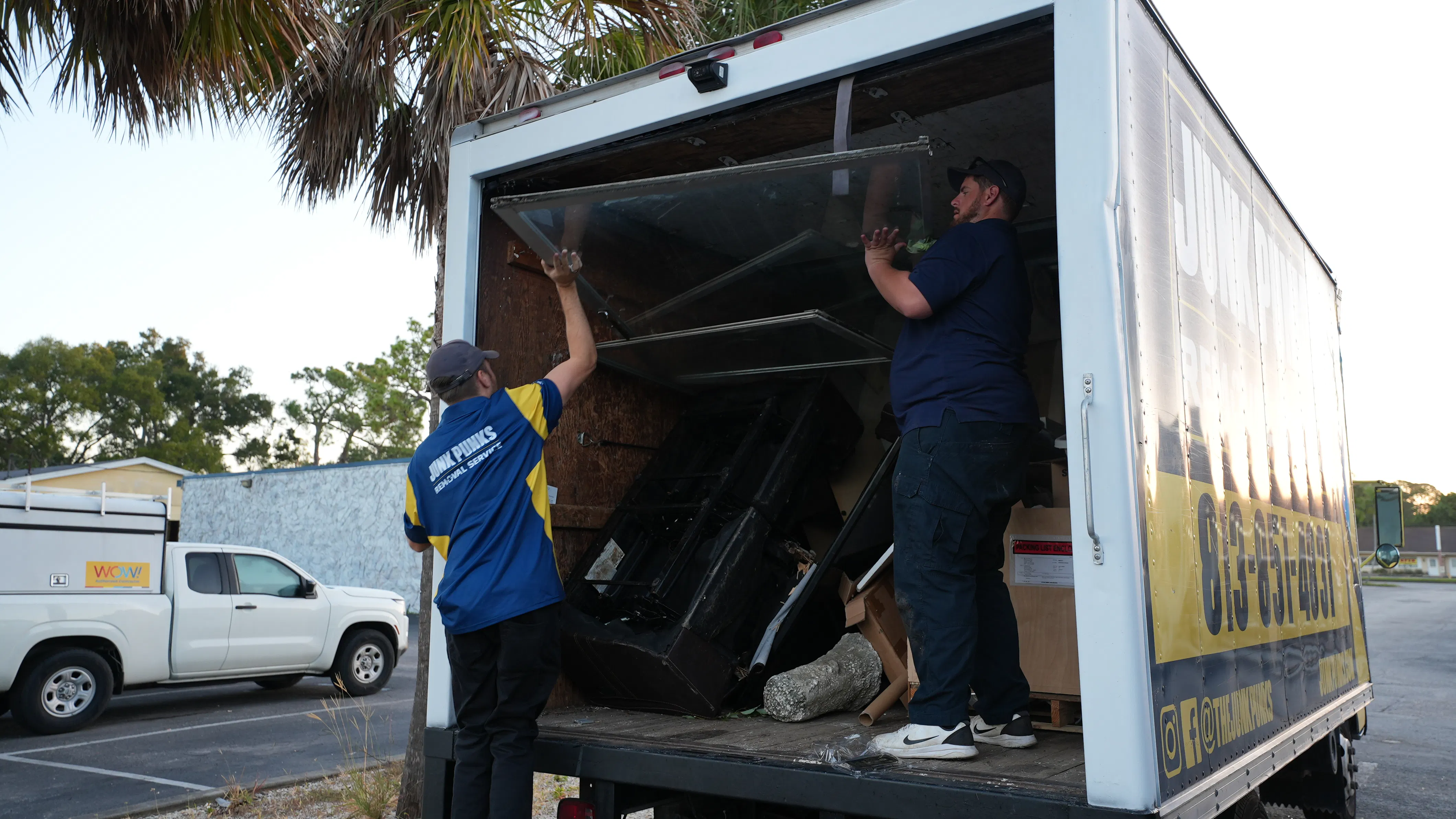
A Junk Punks crew loads material during a removal job. Items in a single load can require different decisions about reuse, recycling, or disposal. Image Credit: Courtesy of Junk Punks.
Making it easier to reduce waste
People do not always discard useful things because they do not care. Often, the barriers are practical. An item may be too heavy to move, the owner may lack transportation, a donation center may not offer pickup services, or local recycling rules may be confusing.
Junk-removal services can help bridge that gap by providing the labor, transportation, and local knowledge needed to move bulky items. When those services prioritize reuse and recycling, they can offer households a practical alternative to sending everything into a mixed waste stream.
However, the options available for reuse and recycling vary by community. Donation organizations differ in what they accept, and their capacity can change. Recycling markets and municipal rules vary by location. A sofa that is reusable in one community may have no available recipient in another. A material accepted at one facility may be rejected at the next.
For that reason, responsible removal is a local practice, not a national slogan. It depends on crews learning the options in their service area and updating that knowledge as organizations, facilities, and rules change.
Building better practices, one pickup at a time
Junk Punks began operating in 2022 with a mission to make an unglamorous service more professional, trusted, and repeatable. As the company grows, the environmental opportunity is the same as the operational challenge: turn a good intention into a process that works on an ordinary Tuesday, not only when a perfect donation story presents itself.
That process starts before the truck arrives. Clear booking notes and photos can help a team understand whether a job includes furniture, appliances, electronics, construction debris, or other materials that may require special planning.
At the job, crews can look at condition, cleanliness, safety, and local acceptance criteria before loading. After pickup, the route matters too. Donation and recycling stops must be weighed against capacity, operating hours, travel distance, and the condition of the items.
The final step is learning from the haul. Keeping records of what is donated, recycled, handled separately, or disposed of can help companies identify better local partners, improve their practices, and measure their environmental impact.
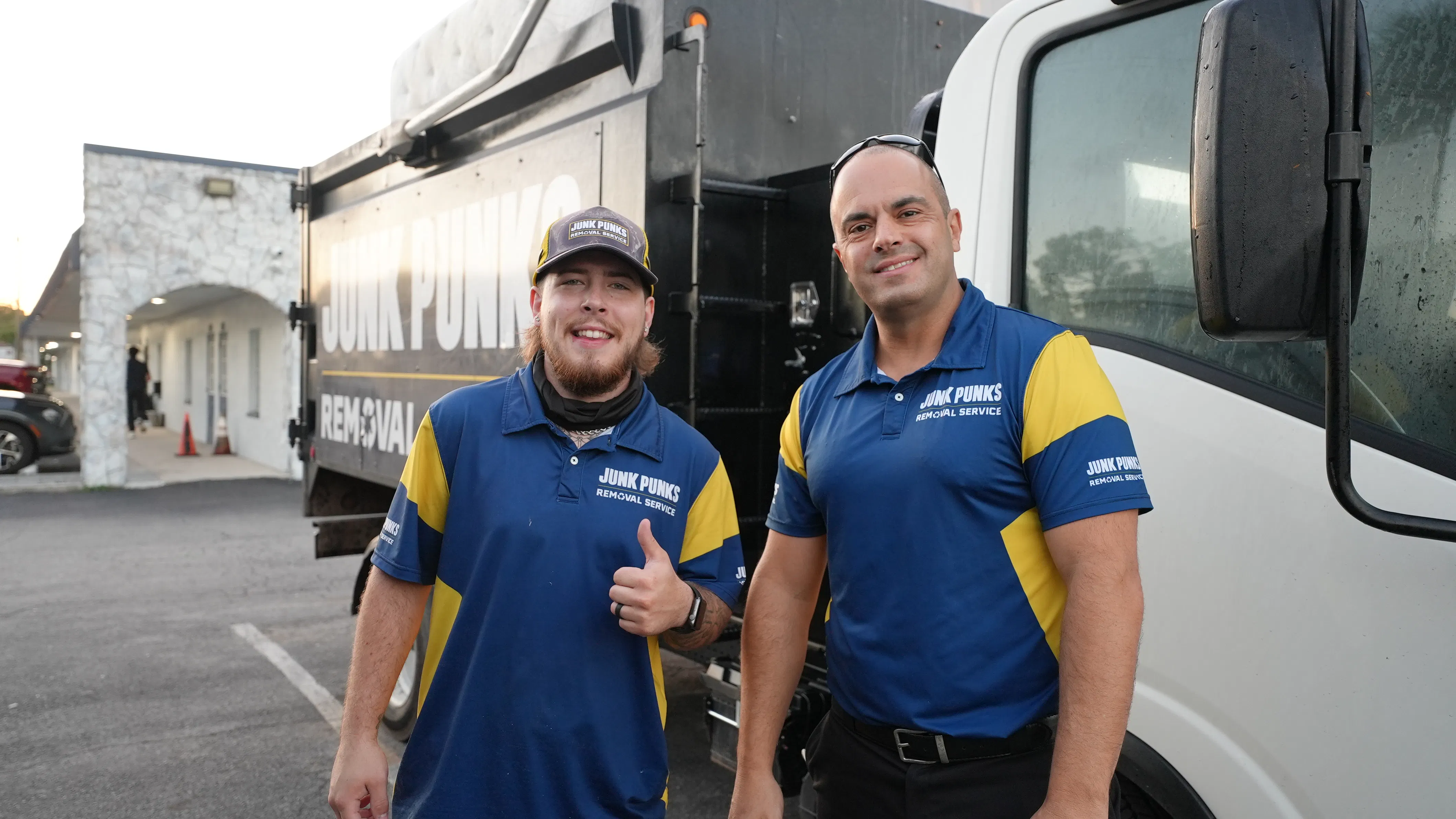
Local crews combine labor, vehicles, and knowledge of nearby outlets to make responsible removal more accessible. Image Credit: Courtesy of Junk Punks.
Finding value in what we already have
One of Junk Punks’ core values is “Use What Ya Got.” Inside the company, it means being resourceful—making progress with the people, tools, and knowledge available rather than waiting for perfect conditions.
The same principle offers a useful way to think about unwanted belongings. Before something becomes waste, ask whether the value already inside it can be used again. A table may need a new home, not a landfill. Metal may have value as feedstock. A working appliance may be useful to another household if an appropriate organization can accept it.
This approach also reflects the principles behind One Earth's Solutions Framework. Recycle & Reuse emphasizes extending the life of textiles through reuse, repair, repurposing, and recycling. Applying these principles to other household goods can help reduce waste, conserve natural resources, and keep valuable materials in circulation longer.
How to prepare for a responsible pickup
People can make responsible removal easier with a few simple actions:
- Identify working or reusable items before scheduling a pickup.
- Keep potential donations dry, clean, and complete.
- Separate recyclable materials when possible and identify hazardous items that may require specialized disposal.
- Ask the removal company how it evaluates donation, recycling, and disposal options.
- Share photos in advance so the crew can plan for bulky or unusual items.
These steps do not guarantee that every item will be accepted for reuse or recycling. They do improve the odds that usable material stays usable and that special items reach an appropriate destination.
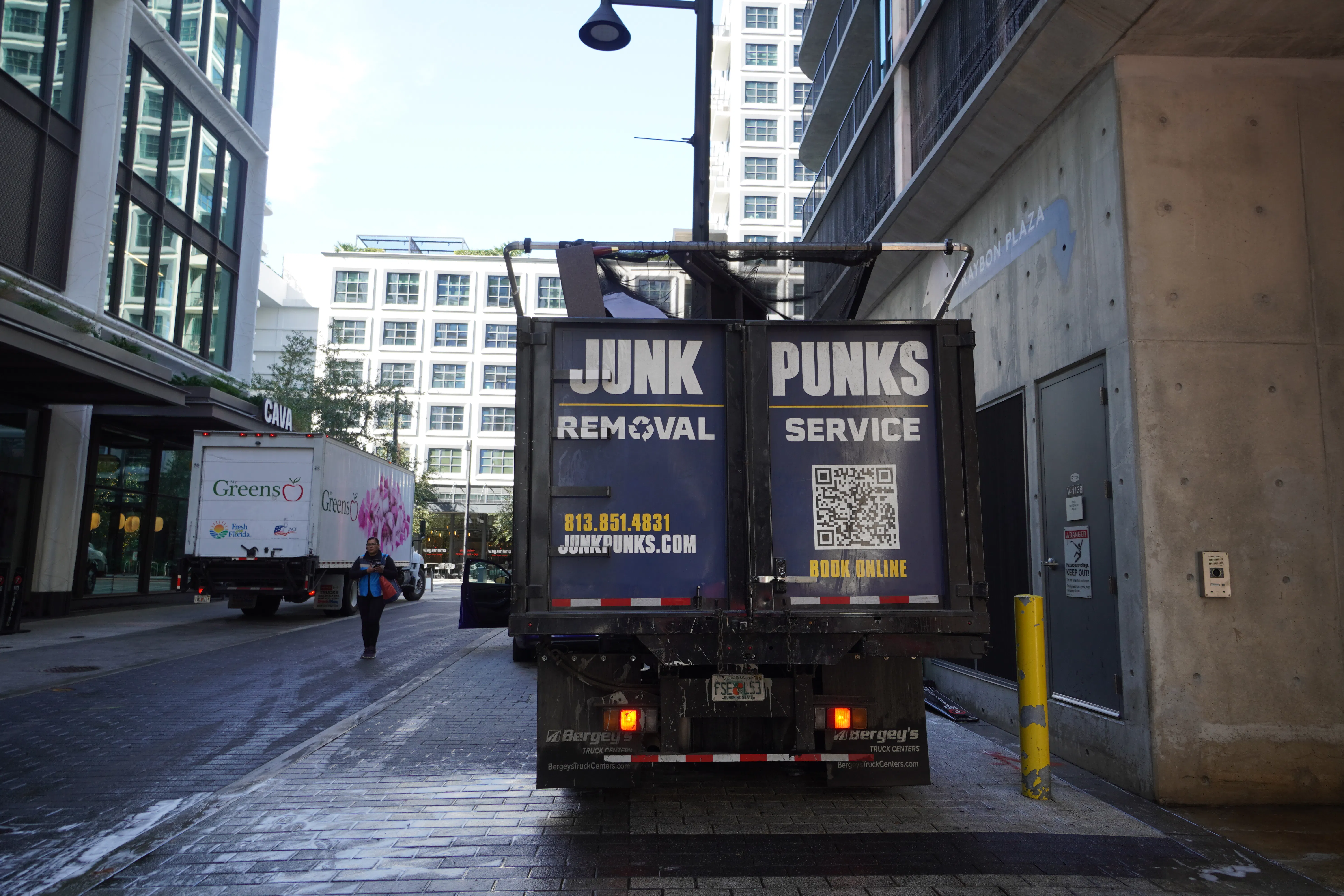
Responsible junk removal is a local service shaped by the facilities, organizations, and recovery options available in each community. Image Credit: Courtesy of Junk Punks.
Making room for a more sustainable future
Junk removal will always be about helping people reclaim space. Done thoughtfully, it can also connect useful goods with new owners, recover valuable materials, and reduce unnecessary disposal.
The work is physical, local, and often messy. But every pickup presents an opportunity to make more informed decisions about what we keep, what we recover, and what we throw away. As these practices become more consistent, they can contribute to broader efforts to reduce waste and conserve resources.
For anyone preparing to clear a space, the first step is simple: ask what can have a next life.
Explore similar content

Subscribe to receive monthly updates on climate solutions, environmental heroes, and the profound beauty and wonder of our shared planet Earth.

